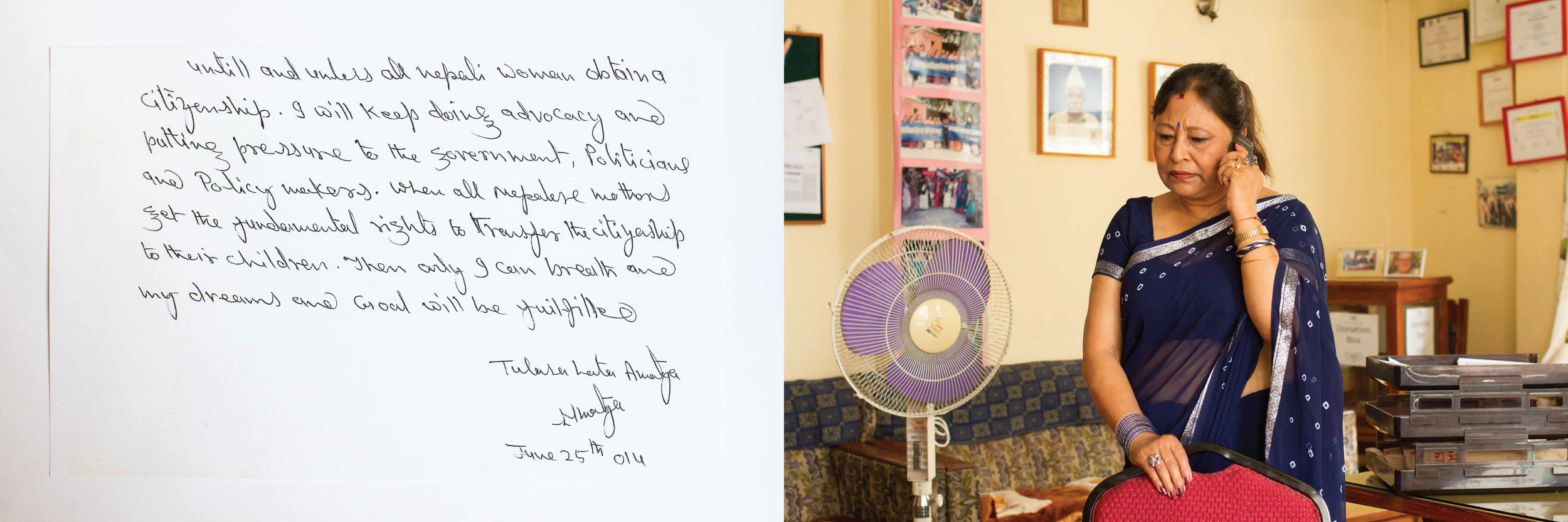
Mother, MotherLand
Back in 2014, when I was exploring directions for a photo story, an email from Miki, a friend whom I met in interior design school years earlier, landed in my inbox. It took me by complete suprise. She asked if I’d be interested to fly to Nepal, to work with a human rights lawyer on the stateless population in Nepal.
In the year prior, I tried to work on stories back at home. I emailed and called local organizations in Canada, hoping to work with the newly arrived refugees and immigrants but never managed to get very far beyond the bureaucratic red tape. My mind was so settled on doing stories about human migration and identity that nothing else mattered. I saw this as the chance to work on something that spoke, deeply to me, even though I knew very little about Nepal at the time. I packed my bags and flew in May.
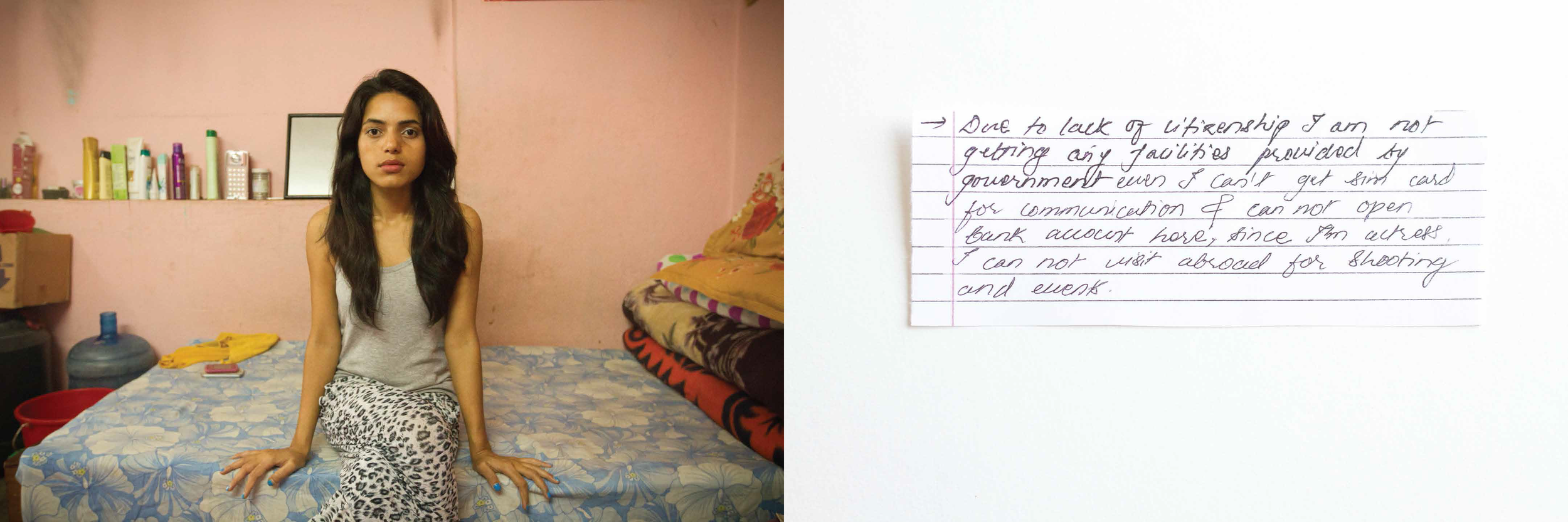
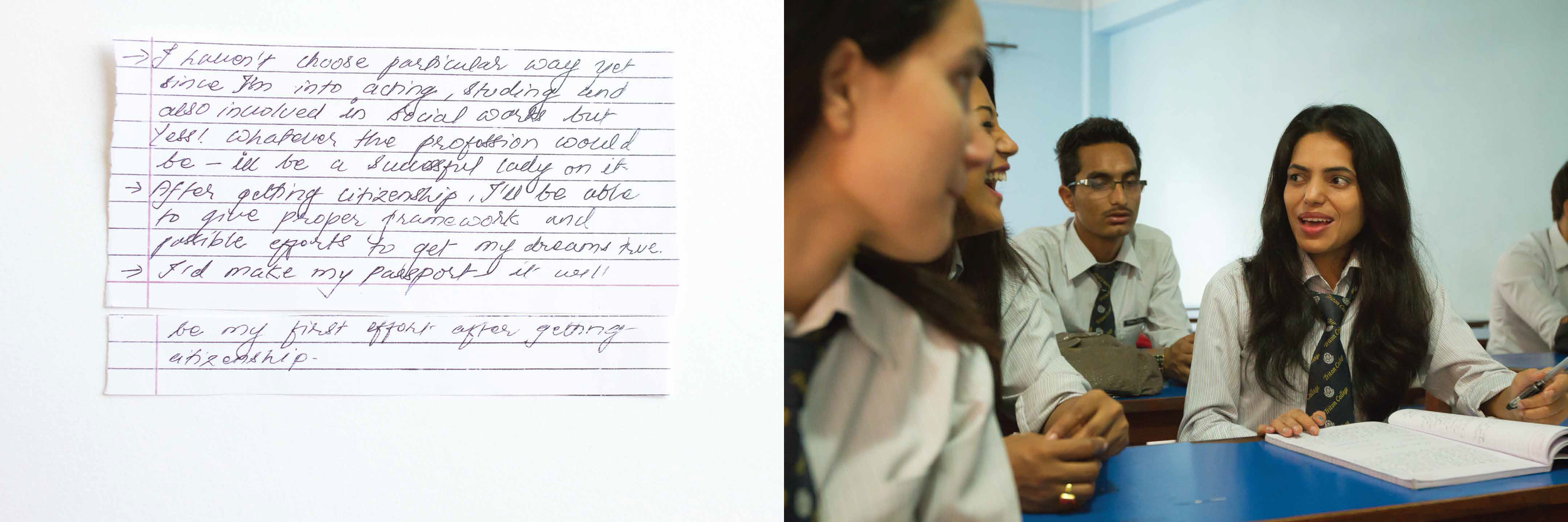
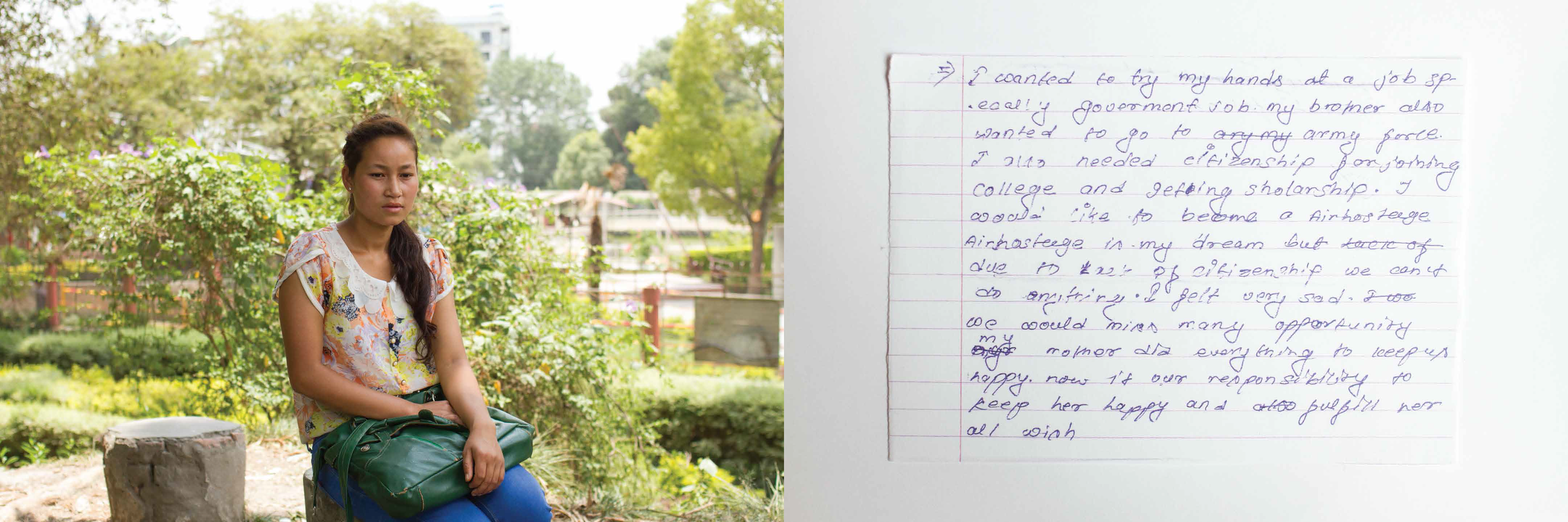
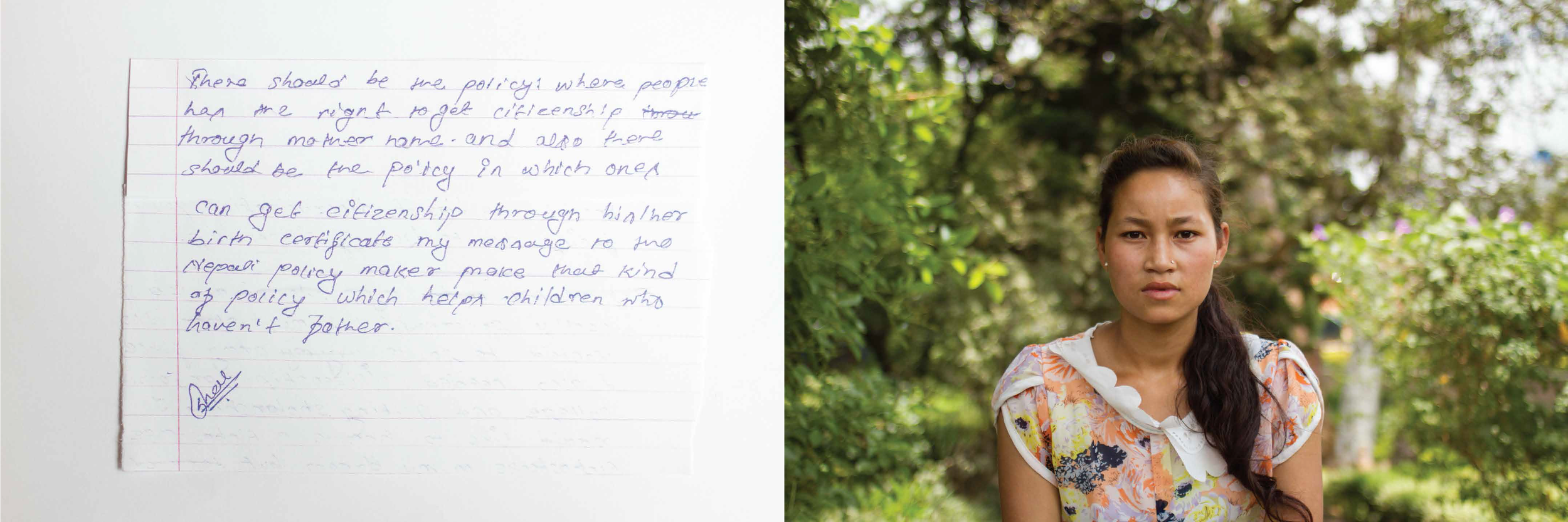
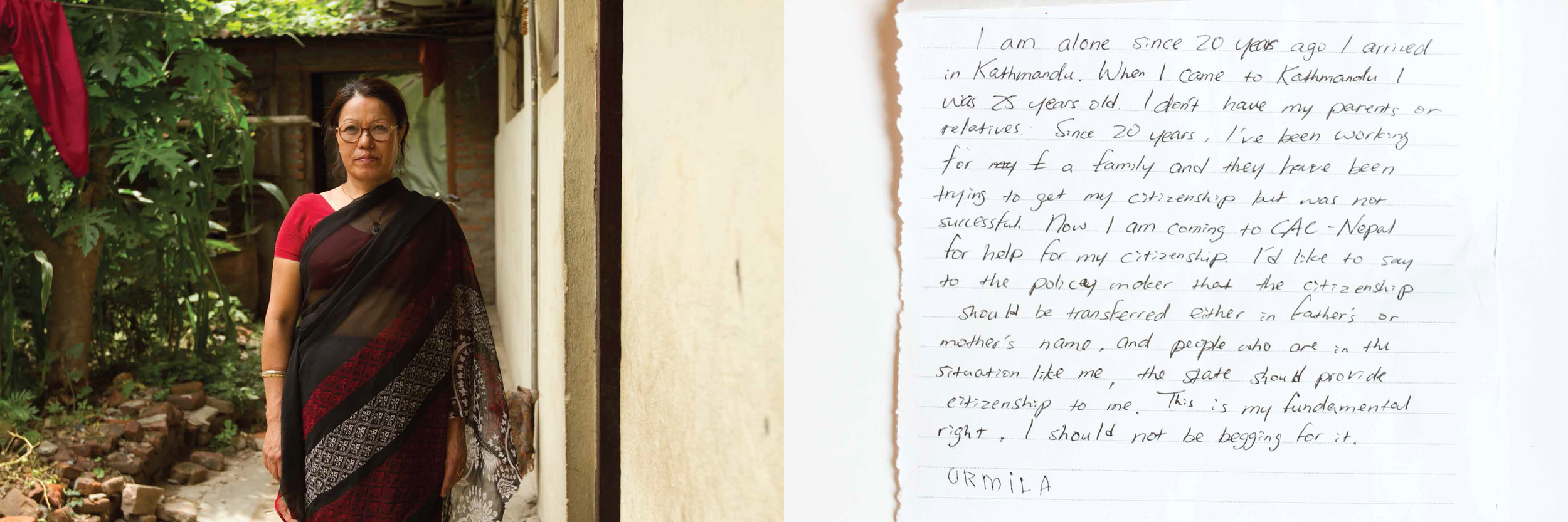
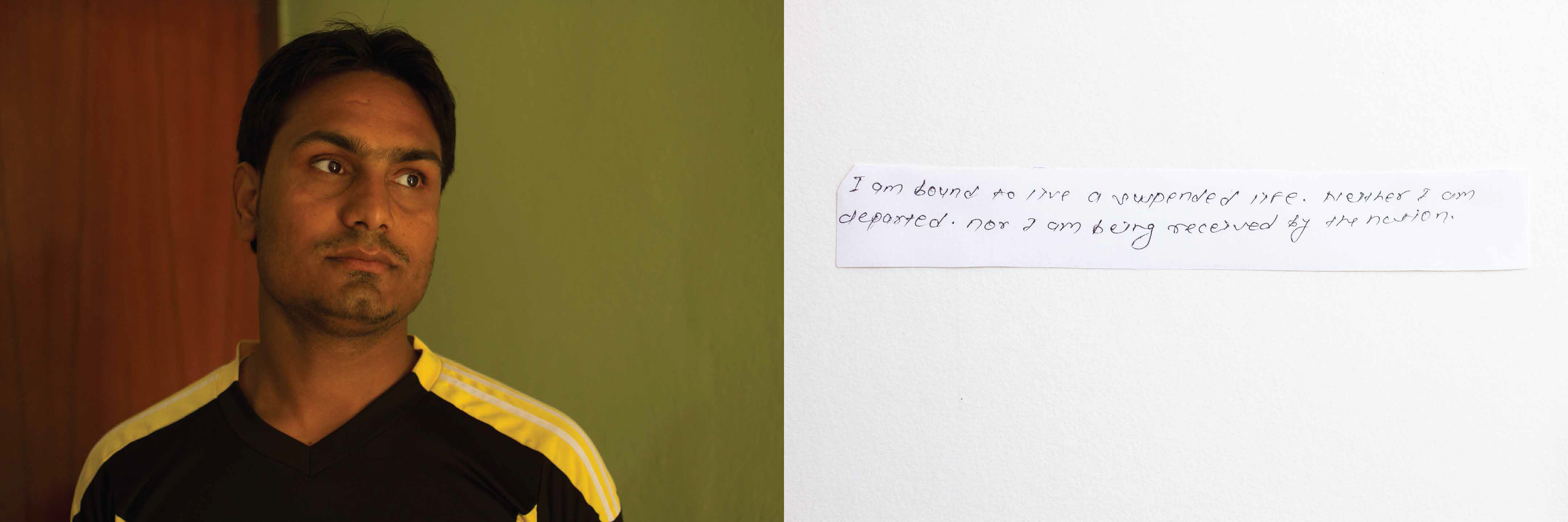
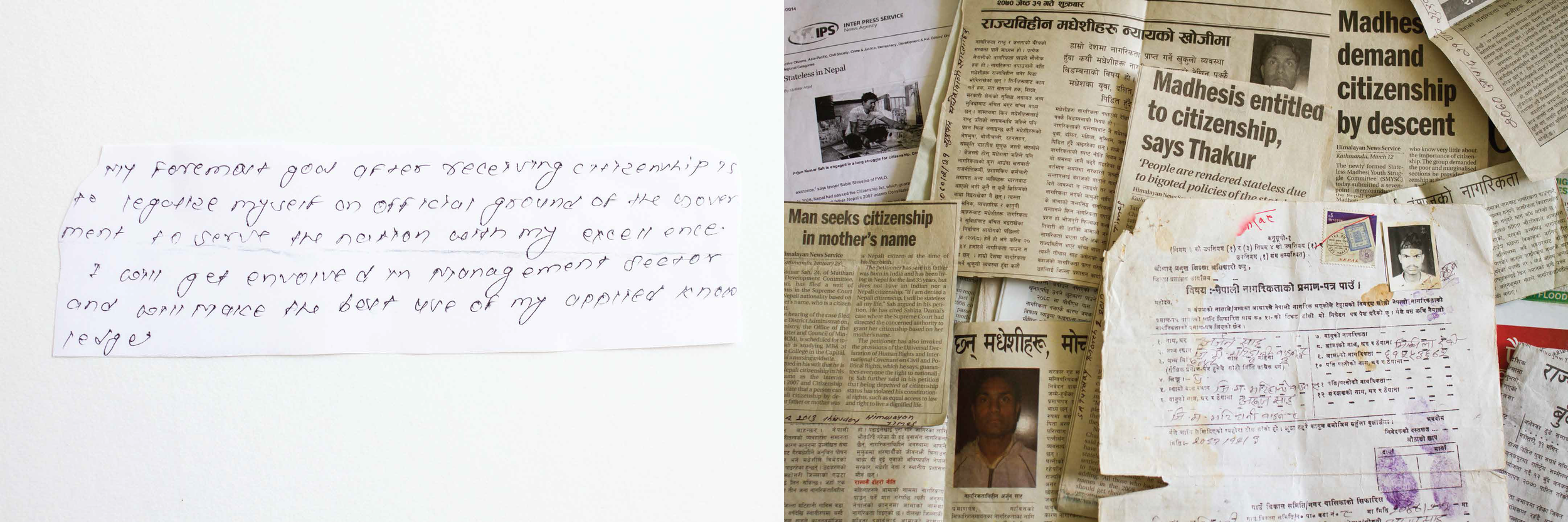
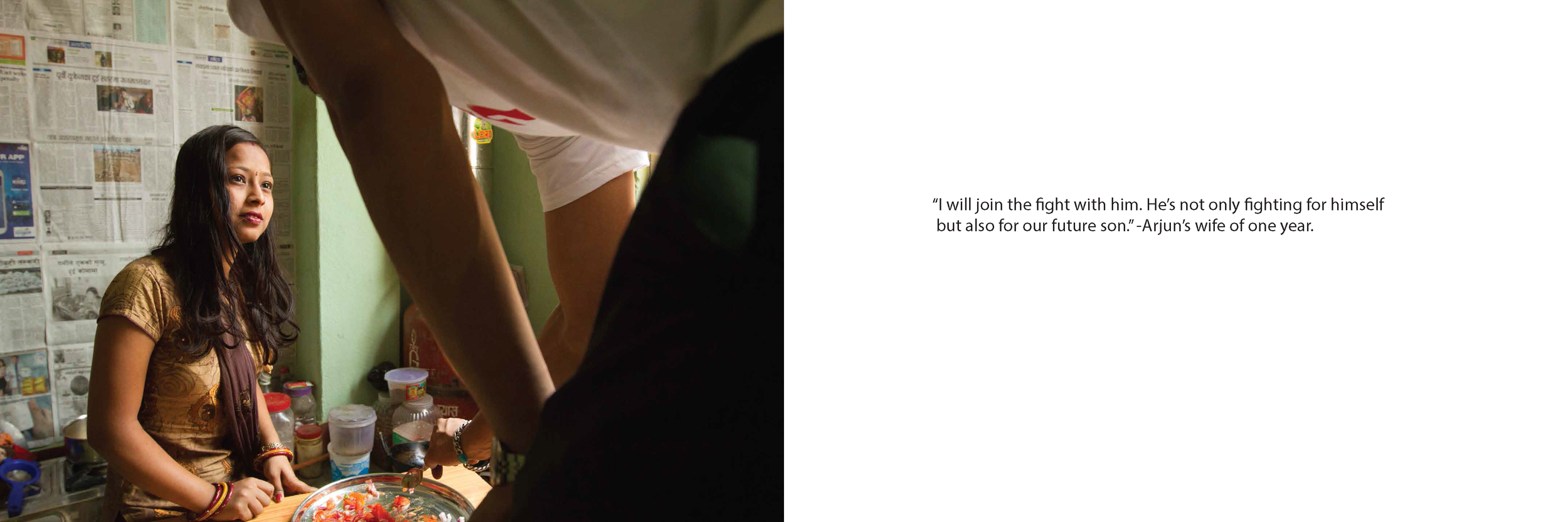
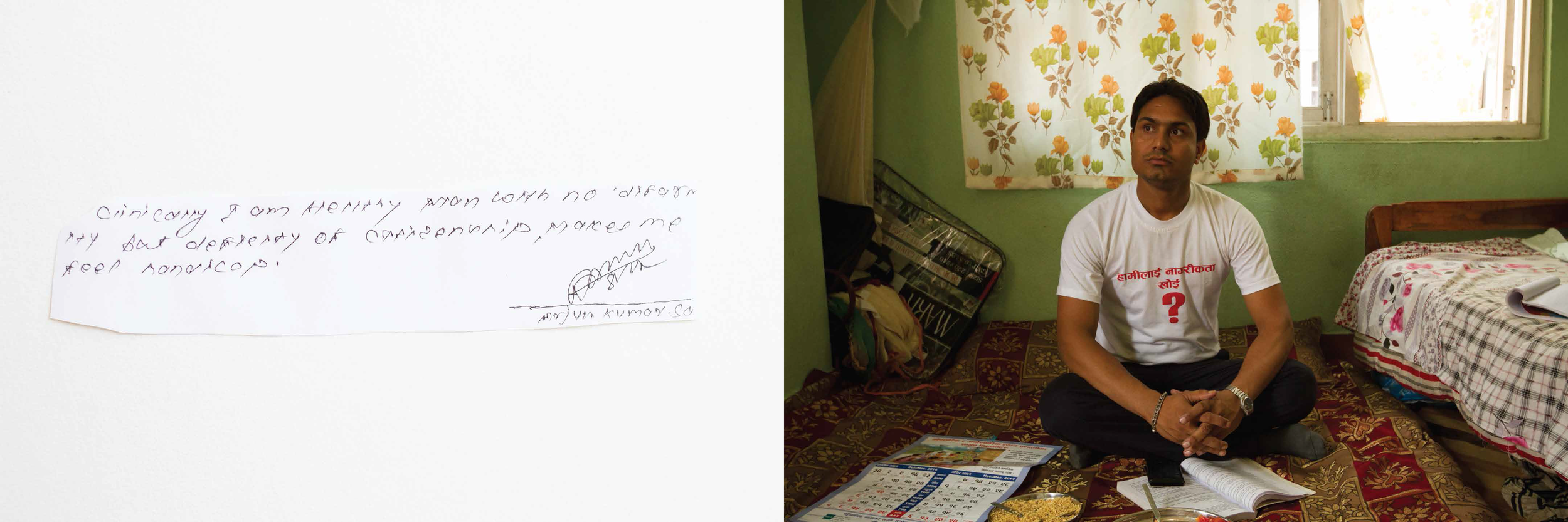
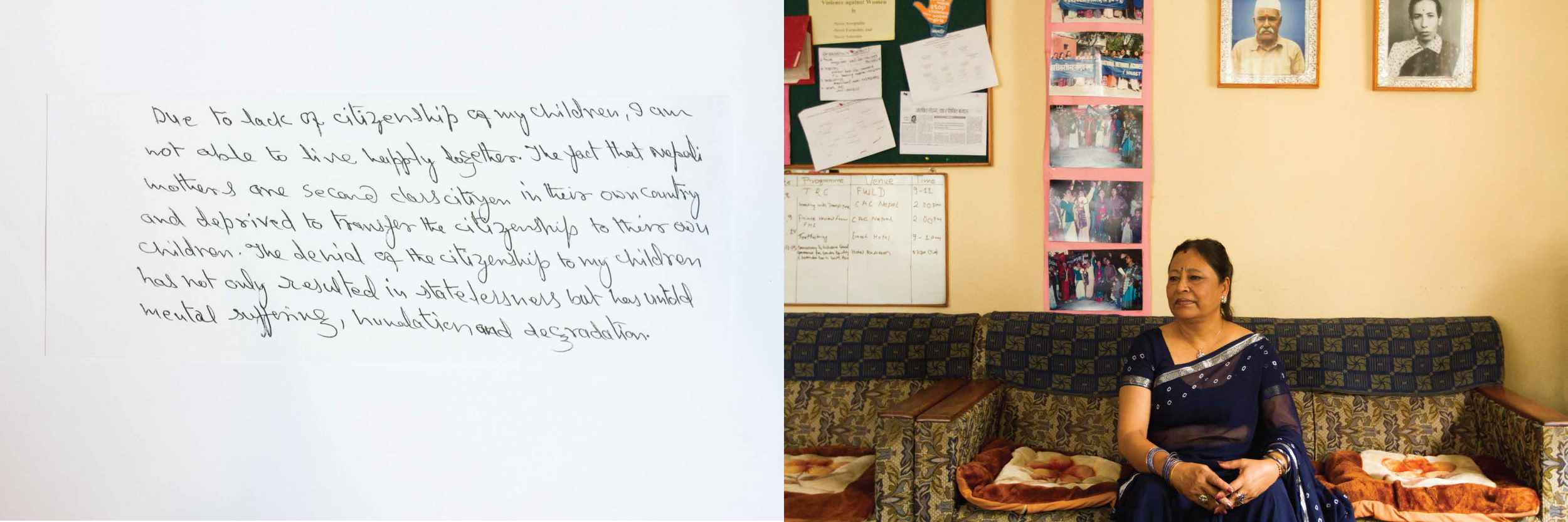
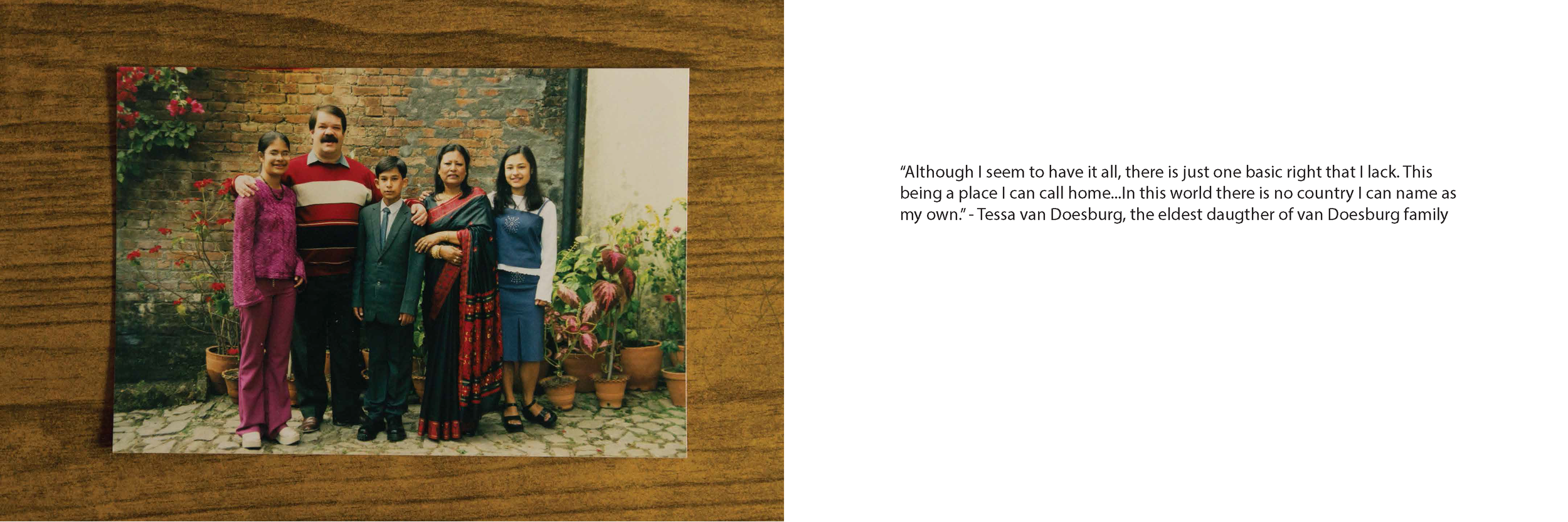
At the time, Nepali citizenship could only be passed down through proven patriarchal lineage. The law was set in place with anxieties of mixed bloodlines across the borderline, despite the southern border with India being completely open to citizens from both sides to cross, socialize and marry freely. Compounded by low literacy and bureaucratic barriers, many of the inhabitants on this lowland belt never applied nor received citizenship documents in the first place. This made for a very messy case (or cases) of unproven bloodlines of men, and so goes for their children, their children’s children, and so on. The legal status of women was deemed unimportant, as they couldn’t pass their rights on to anyone. In the eyes of the law, social convention, and morality, women’s rights and dignity mostly belonged to the men in their lives: fathers, brothers, husbands and sons. The most ironic part of all of this, however, is that women could get married to a legal Nepali man and later gain their status that way, all the while the men without citizenship remain doomed forever.
An amendment to the constitution was passed in 2016. After years of hard campaigning by women’s rights activists and lawyers, it is now finally possible for women to pass down their citizenships. Only if, and a big if of course, that they declared their children’s father missing and unidentifiable.
This project opened the door for me to look deeper into the structural issues within society that shape the lives of individuals. It became the entry point into my ongoing exploration of identity, belonging, and social inheritance in Nepal and beyond.